

In the Footsteps of Faith: The Monasteries of Iași
Place of Start & Return
Chișinău
Start time
- Pelerinaje
Country
Romania
Resort
Food type
Without meal
Place of Start & Return
Chișinău
Start time
Country
Romania
Resort
Food type
Without meal
Tour Details
This pilgrimage includes the following monasteries: Vlădiceni Monastery, Hadâmbu Monastery, Golia Monastery, and the Metropolitan Cathedral.
Departure & Return Location:
Departure Time:
Price Includes:
Price Does Not Include:
Itinerary
Travel Tips
Did You Know?
Description
Vlădiceni Monastery
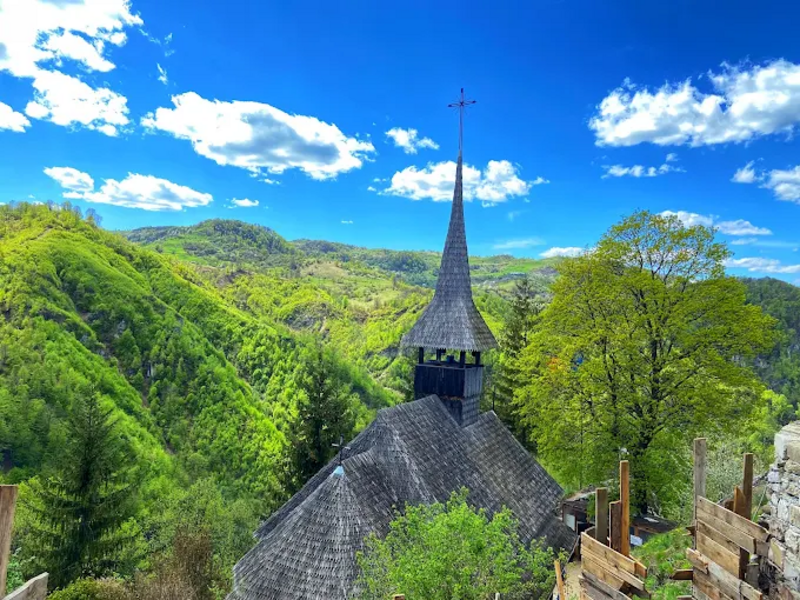
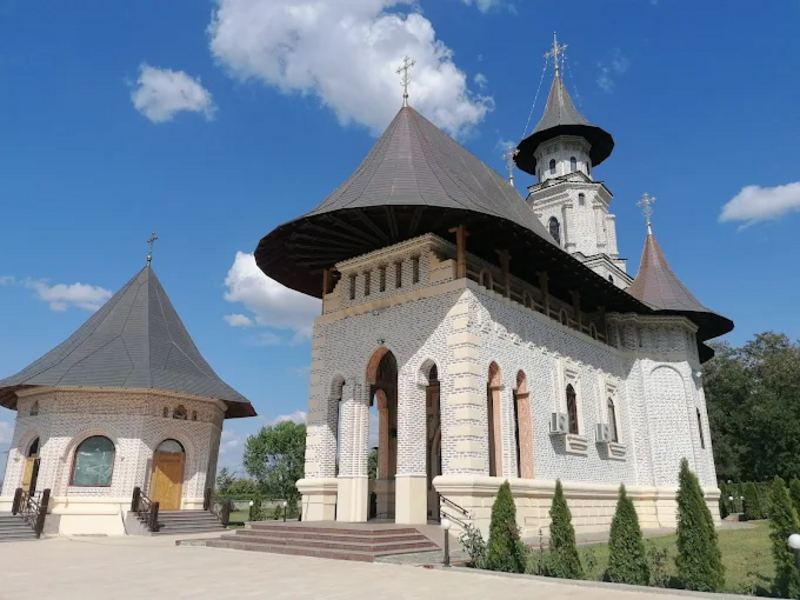
Vlădiceni Monastery is a monastery for monks located on the outskirts of Iași, in the village of Vlădiceni (part of the suburban commune Tomești), on the site known in chronicles as “Poiana Vlădicăi.”
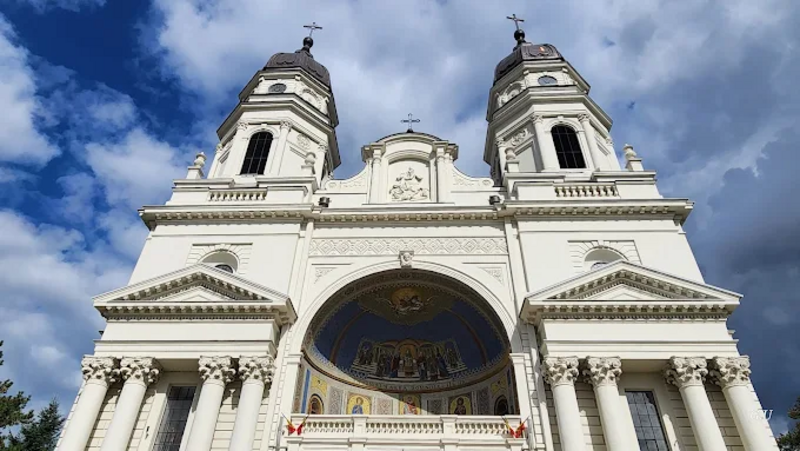
The church was built on the site of two older churches: the White Church (15th century) and the Stratenia Church (17th century). The current building was constructed between 1833 and 1839 according to the plans of architects Gustav Freywald, Bucher, and Mihail Singurov. On May 23, 1857, the central dome collapsed, leaving the church in a precarious state for the next two decades. From 1880 to 1887, under the initiative of Metropolitan Iosif Naniescu, the construction was restored. The consecration of the Cathedral on April 23, 1887, became a national event attended by King Carol I and Queen Elisabeth.
Hadâmbu Monastery
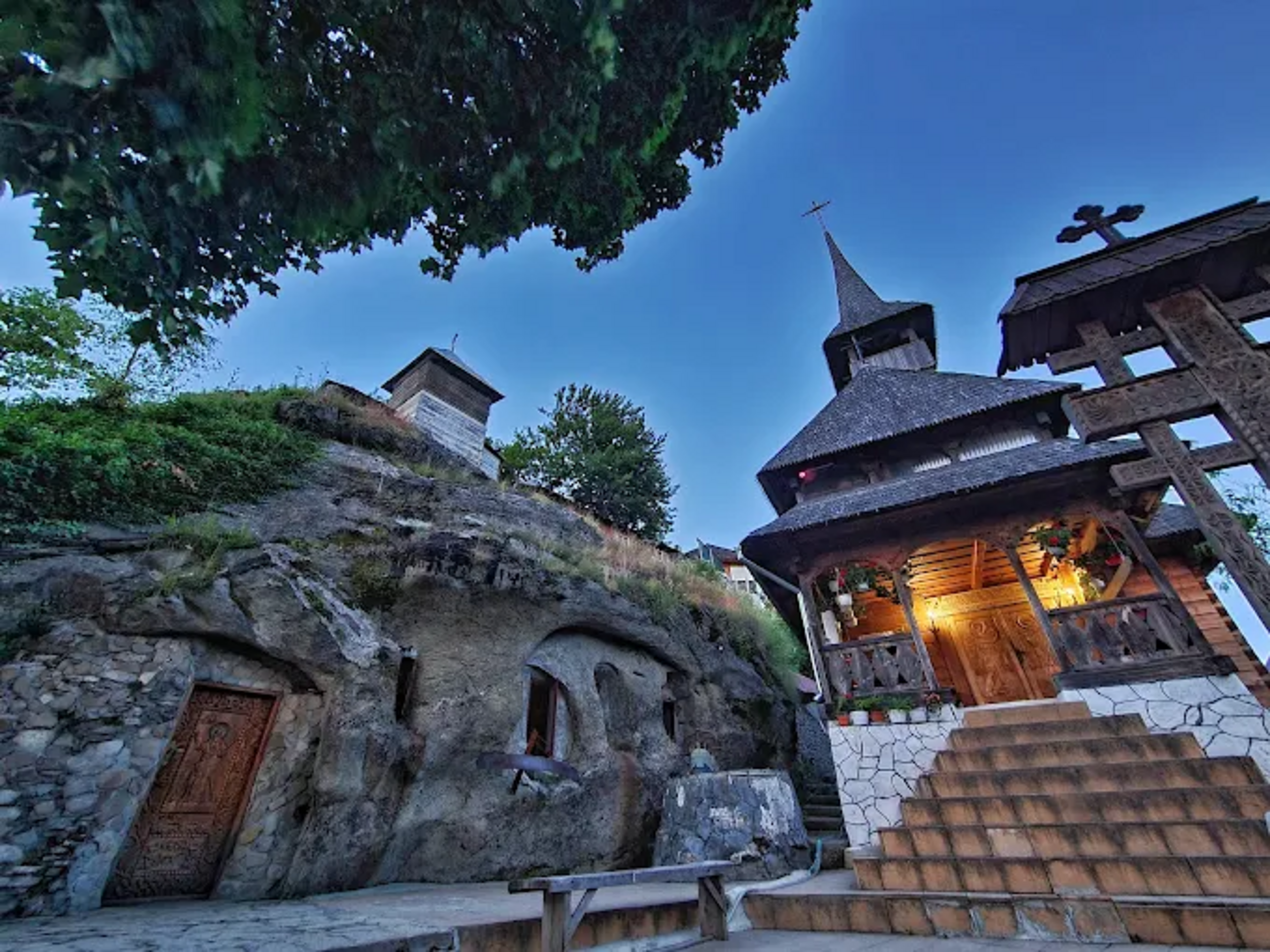
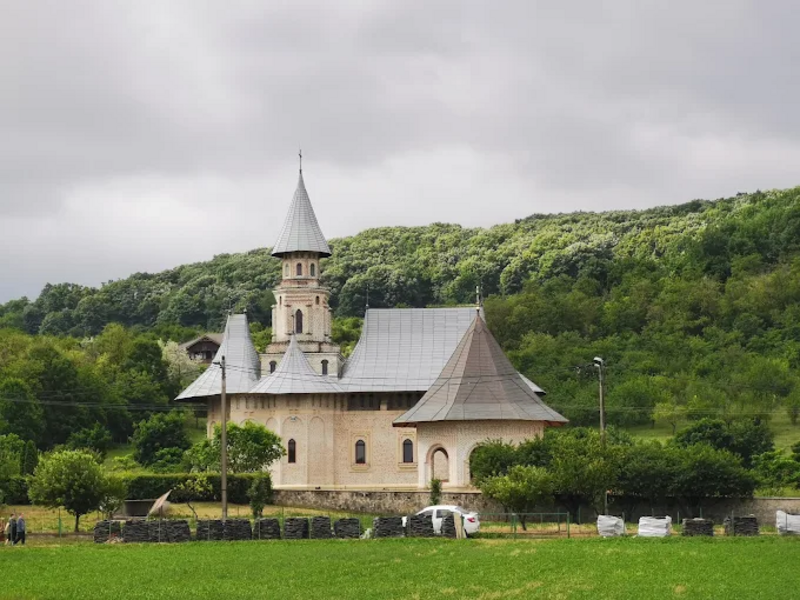
After a troubled history and insufficiently elucidated in all its details and sinuosities, often with conflicting aspects or controversies, it can be said that the monastery known as Hadambu Hermitage, but also under that of the Hermitage in Dealul Mare is currently undergoing a genuine revival, through an unprecedented period of revival from its own vestiges.
Golia Monastery
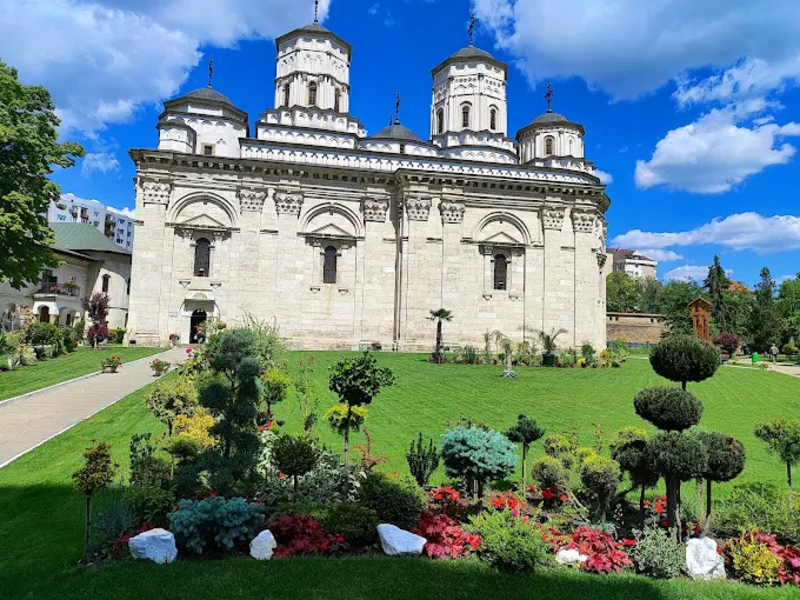
Golia Monastery and the Church of Saint Nicholas Domnesc (built by Stephen the Great; in this church, almost all the rulers of Moldavia were anointed and crowned, making it a royal church). Between 1866 and 1871, the great writer Ion Creangă lived here with his wife Ileana and their son Constantin while serving as a deacon. The house in which Ion Creangă lived was built at the end of the 17th century and served for a long time as the monastery treasury, where all the revenues of Moldavian monasteries dedicated to Mount Athos were collected. In the 19th century, deacons and cantors serving in the church lived here. The room where Ion Creangă stayed has been turned into a museum that preserves, among other exhibits, his original deacon’s vestment (stihar).
Metropolitan Cathedral
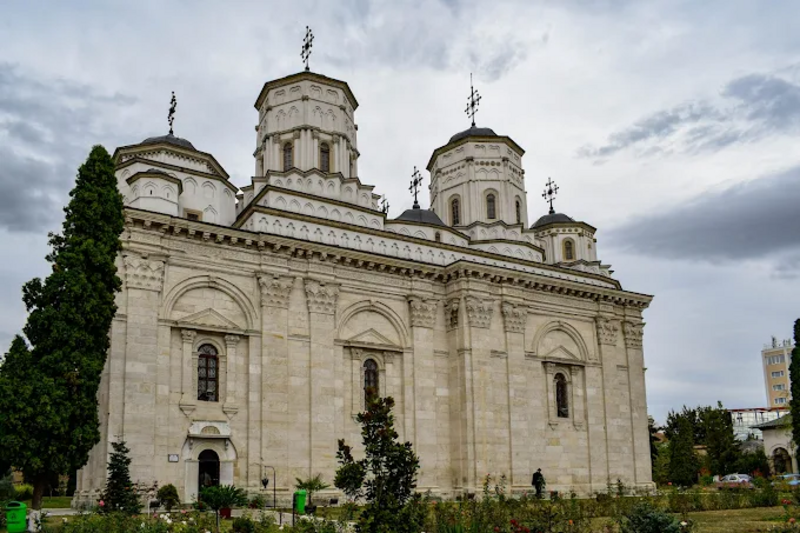
The Metropolitan Cathedral of Iași, dedicated to “Saint Parascheva,” “The Presentation of the Lord,” and “Saint George the Great Martyr,” is the largest place of worship in Iași (and among the largest in Romania), serving as the cathedral of the Metropolis of Moldavia and Bukovina. It was built in two stages: first between 1833–1839, and then (after severe damage in 1857) between 1880–1887. The cathedral is a monumental rectangular building with four detached towers at the corners. The architectural style combines late Italian Renaissance forms with predominantly Baroque decorative elements. The Viennese architects Johann and Gustav Freywald designed the new church in a neoclassical style, similar to other monumental European churches of that era.
Место для описания